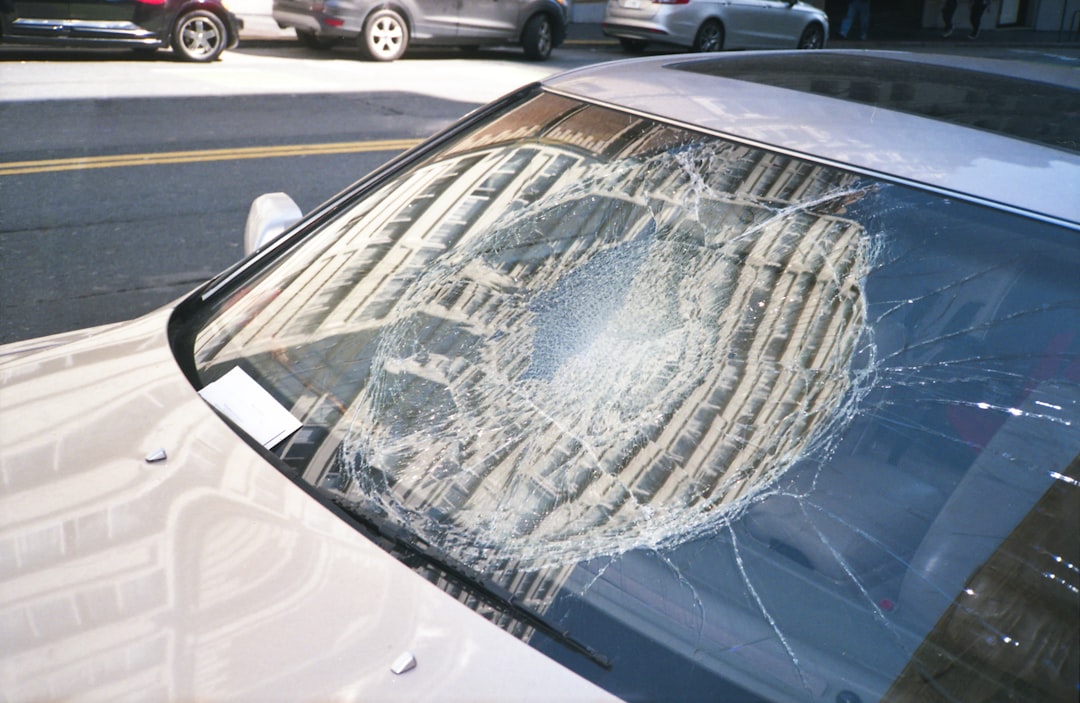
In the immediate aftermath of a car accident, emotions can run high, and panic may set in.It is crucial for individuals involved to remain calm and composed. Taking a moment to breathe deeply can help clear the mind and allow for a more rational assessment of the situation.
This initial calmness can significantly influence the subsequent steps taken, ensuring that decisions are made thoughtfully rather than impulsively. By focusing on the present moment, individuals can better evaluate their surroundings and the condition of those involved. Assessing the situation involves not only checking for personal safety but also observing the environment.
Are there any ongoing hazards, such as traffic or fire? Is there a need to move vehicles to prevent further accidents? By taking stock of these factors, individuals can make informed decisions about their next steps.
Remaining calm also sets a positive tone for interactions with other parties involved in the accident, which can be beneficial in resolving the situation amicably.
Key Takeaways
- Stay calm and assess the situation
- Check for injuries and call for medical help if necessary
- Move to a safe location if possible
- Exchange information with the other driver(s) involved
- Take photos of the accident scene and damage to vehicles
- Contact the police and file a report
- Notify your insurance company
- Seek legal advice if needed
- Keep track of medical expenses and vehicle repairs
- Follow up with insurance and legal proceedings
- Take care of yourself emotionally and physically
Check for Injuries and Call for Medical Help if Necessary
Once the initial assessment is complete, the next step is to check for injuries among all parties involved. This includes oneself, passengers, and other drivers. It is essential to approach this task with care, as some injuries may not be immediately visible.
Individuals should look for signs of distress or pain and ask others if they are feeling okay. If anyone appears to be injured, it is vital to call for medical assistance right away. Prompt medical attention can be critical in preventing further complications and ensuring that everyone receives the care they need.
In some cases, individuals may feel fine initially but later experience symptoms related to the accident. Therefore, it is advisable to seek medical evaluation even if there are no apparent injuries. This precaution can help identify any underlying issues that may arise later, such as whiplash or concussions.
By prioritizing health and safety, individuals demonstrate responsibility and care for themselves and others involved in the incident.
Move to a Safe Location if Possible
If the vehicles are still operational and it is safe to do so, moving them to a secure location is often a wise decision. This action helps prevent additional accidents and ensures that all parties are out of harm’s way. Ideally, drivers should aim to pull over to the side of the road or into a nearby parking lot where they can safely exchange information without the risk of oncoming traffic.
However, if moving the vehicles poses a danger or if there are serious injuries, it is best to remain in place until help arrives. In situations where moving vehicles is not feasible, individuals should turn on hazard lights to alert other drivers of the accident. This simple act can significantly reduce the risk of further collisions and enhance safety for everyone involved.
By taking proactive measures to secure the scene, individuals demonstrate their commitment to safety and responsibility.

Exchange Information with the Other Driver(s) Involved
| Exchange Information with the Other Driver(s) Involved | Metrics |
|---|---|
| Driver’s Name | John Doe |
| Driver’s Contact Number | 555-123-4567 |
| Driver’s Insurance Company | ABC Insurance |
| Insurance Policy Number | 12345-67890 |
Once safety has been established, exchanging information with other drivers becomes essential. This exchange typically includes names, contact details, insurance information, and vehicle registration numbers. It is important for all parties to remain courteous during this process, as tensions can run high after an accident.
A calm demeanor can facilitate smoother communication and help prevent misunderstandings that could complicate matters later on. In addition to basic information, it may also be beneficial to note the circumstances surrounding the accident. This includes details such as the time of day, weather conditions, and any relevant traffic signals or signs.
Documenting these factors can provide valuable context when filing insurance claims or legal reports later on. By being thorough in this exchange, individuals can lay a solid foundation for resolving any disputes that may arise.
Take Photos of the Accident Scene and Damage to Vehicles
Capturing photographic evidence of the accident scene is a crucial step that should not be overlooked. Photographs serve as an objective record of what transpired and can be invaluable when dealing with insurance companies or legal matters. Individuals should take pictures from various angles to ensure that all aspects of the scene are documented, including vehicle damage, skid marks on the road, and any relevant road signs or signals.
In addition to photos of the vehicles involved, it is also wise to capture images of the surrounding area. This broader context can help illustrate factors that may have contributed to the accident, such as poor visibility or road conditions. By taking comprehensive photographs, individuals create a visual narrative that can support their account of events and aid in any subsequent investigations.
Contact the Police and File a Report
In many jurisdictions, it is mandatory to contact law enforcement following an accident, especially if there are injuries or significant property damage. The police will arrive at the scene to assess the situation, gather statements from those involved, and create an official report documenting the incident. This report can be crucial for insurance claims and legal proceedings, as it provides an unbiased account of what occurred.
When speaking with police officers, individuals should provide accurate information without admitting fault or speculating about what happened. It is essential to remain factual and cooperative while allowing law enforcement to conduct their investigation. Once the report is filed, individuals should request a copy for their records, as this document will be important when dealing with insurance companies or legal representatives.

Notify Your Insurance Company
https://www.youtube.com/embed/31-C5qBssbM
After ensuring safety and filing a police report, notifying one’s insurance company is a critical next step. Most insurance policies require prompt reporting of accidents to ensure coverage for damages and injuries sustained during the incident. When contacting the insurance provider, individuals should provide all relevant details about the accident, including information from other drivers and any police reports obtained.
It is important for individuals to be honest and thorough when discussing the accident with their insurance company. Providing accurate information helps facilitate a smoother claims process and ensures that all parties receive fair treatment. Additionally, individuals should inquire about their policy coverage regarding medical expenses and vehicle repairs so they fully understand what assistance they can expect moving forward.
Seek Legal Advice if Needed
In some cases, seeking legal advice may be necessary following an accident. If there are disputes regarding fault or if injuries sustained are severe, consulting with an attorney who specializes in personal injury or auto accidents can provide valuable guidance. Legal professionals can help individuals navigate complex insurance claims processes and ensure that their rights are protected throughout any negotiations.
An attorney can also assist in determining whether pursuing legal action against another driver is warranted based on the circumstances of the accident.
They can evaluate evidence collected from the scene and advise on potential compensation for medical expenses, lost wages, and pain and suffering.
By enlisting legal support when needed, individuals can make informed decisions about how best to proceed after an accident.
Keep Track of Medical Expenses and Vehicle Repairs
As time goes on after an accident, it becomes increasingly important for individuals to keep meticulous records of all medical expenses incurred as well as any vehicle repairs needed. This documentation serves multiple purposes: it provides evidence for insurance claims, helps track out-of-pocket costs related to injuries or damages, and supports any potential legal claims that may arise. Individuals should retain copies of medical bills, receipts for treatments received, and invoices for vehicle repairs or replacements.
Additionally, keeping a journal detailing symptoms experienced after the accident can be beneficial when discussing ongoing health issues with medical professionals or legal representatives. By maintaining organized records, individuals position themselves favorably in any discussions regarding compensation or liability.
Follow Up with Insurance and Legal Proceedings
Following up with both insurance companies and legal representatives is essential in ensuring that claims are processed efficiently and that all necessary steps are taken in any legal proceedings. Individuals should stay proactive by regularly checking in on the status of their claims and providing any additional information requested by their insurance provider or attorney. This follow-up process may involve attending medical appointments for ongoing treatment or participating in depositions if legal action is pursued.
Staying engaged throughout these processes not only helps expedite resolutions but also demonstrates commitment to addressing any lingering issues stemming from the accident.
Take Care of Yourself Emotionally and Physically
Finally, it is vital for individuals involved in an accident to prioritize their emotional and physical well-being during this challenging time. The aftermath of an accident can lead to feelings of anxiety, stress, or even post-traumatic stress disorder (PTSD). Seeking support from friends, family members, or mental health professionals can provide much-needed comfort and guidance as individuals navigate their recovery journey.
Physical health should also remain a priority; attending follow-up medical appointments and adhering to prescribed treatment plans are essential steps toward recovery. Engaging in self-care practices such as exercise, meditation, or hobbies can help alleviate stress and promote overall well-being during this period of adjustment. By taking care of themselves holistically, individuals can emerge from this experience stronger and more resilient than before.
If you’re interested in learning more about car accidents and how to handle them, you might find the article on FindPlay particularly insightful. It delves into various aspects of car accidents, including prevention tips and steps to take if you find yourself involved in one. For more detailed information, you can read the full article by visiting this link.
FAQs
What should I do if I am in a car accident?
If you are in a car accident, the first thing you should do is check for injuries and call emergency services if necessary. Then, exchange information with the other driver, take photos of the accident scene, and contact your insurance company to report the accident.
When should I contact a lawyer after a car accident?
It is recommended to contact a lawyer after a car accident if you have been injured or if there is significant damage to your vehicle. A lawyer can help you navigate the legal process and ensure you receive fair compensation for your injuries and damages.
What should I do if the other driver does not have insurance?
If the other driver does not have insurance, you can still file a claim with your own insurance company if you have uninsured motorist coverage. This coverage can help cover your medical expenses and vehicle repairs if you are in an accident with an uninsured driver.
How can I prevent car accidents?
To prevent car accidents, it is important to practice safe driving habits such as following speed limits, avoiding distractions while driving, and maintaining your vehicle properly. Additionally, being aware of road conditions and other drivers can help prevent accidents.